
Casino comps explained for Australian players weighing real value
If you have ever watched a host slide a dining voucher across a felt table and wondered what it actually costs the operator, you are asking the right question. Casino comps explained properly means treating player rewards as a managed cost, not a free gift. For an Australian adult weighing a Hobart weekend or a quiet arvo at a local club, the useful lens is simple: comps are a budgeting tool that only pays off when your expected play, time on device, and loss tolerance line up with the venue’s actual reward curve. We will keep the numbers honest and separate what venues claim from what a disciplined player can realistically expect.
What casino comps explained actually measures
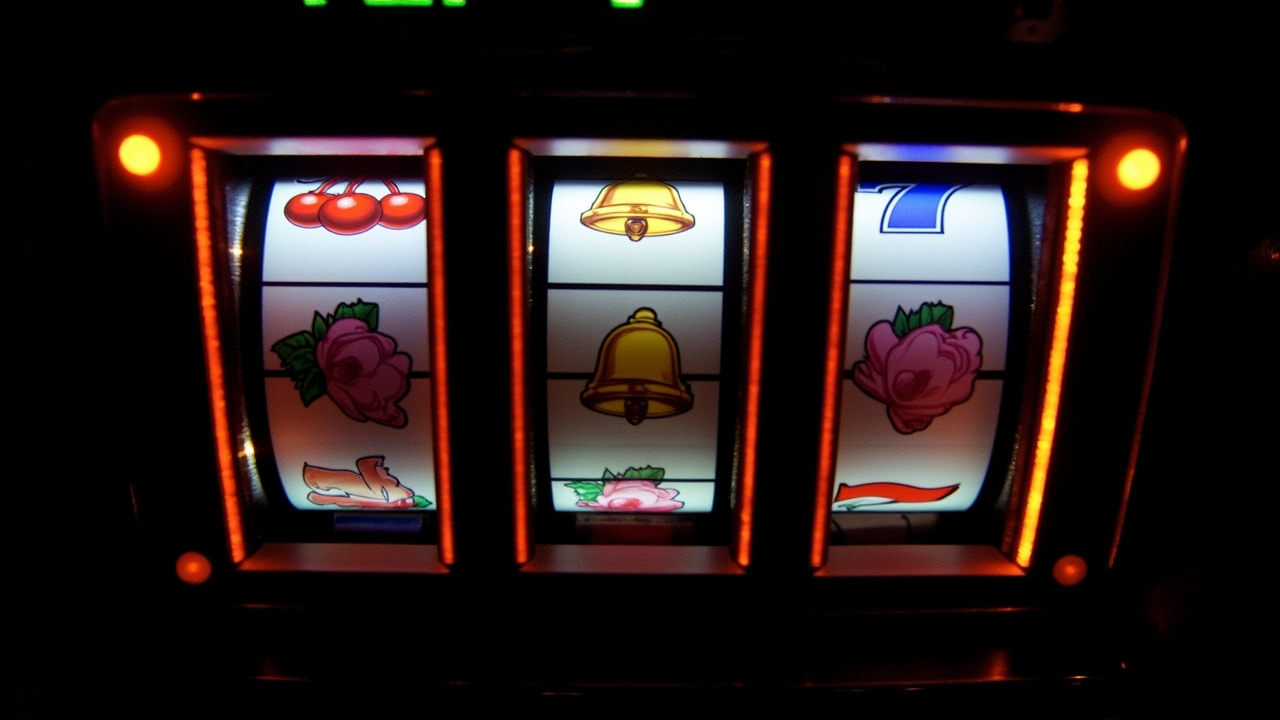
Comps are not a charity handout. In finance terms, a venue issues them against a forecast of your theoretical loss, which is your average bet multiplied by the house edge and your time on the device. That is the same kind of expected-value math used to price inventory risk, only here the “stock” is your play. A sensible player treats a comp offer the way a treasury team treats a hedging contract: you accept it when the cost of holding the position is already baked into your plan, not when someone promises a windfall.
The most common comps are play credits, dining or accommodation credits, tournament entries, and reload-style promos that drop on a schedule rather than once at sign-up. Venues often describe these as loyalty rewards, but the mechanics are usually tied to tracked wagering or a points ledger that converts at a fixed, often modest, rate. If a promotion advertises a large headline figure without showing the rollover or the qualifying window, read it as a marketing number first and a usable credit second. That distinction matters because a bonus that locks your balance behind a steep playthrough can quietly increase your exposure instead of reducing it.
When you compare offers, look for the recurring piece rather than the welcome splash. A cashback percentage that resets weekly, a points multiplier that applies to table game sessions, or a tournament seat that recurs on a set day all tell you more about ongoing value than a one-off deposit match. The credible read is this: recurring promos and loyalty tiers are where a venue’s retention economics show up, and that is where a player who plans to return should focus attention. Видео-слоты на сайте Lucky Dreams для
How the reward mechanics work in practice
Points, tiers, and what converts to what
Most loyalty systems run on a points ledger. You earn at a stated rate per qualifying dollar or per spin, then convert points into credits, meals, or event access at a published ratio. The ratio is where the real value hides. A venue might advertise “earn points fast” while the conversion rate is set so that a meaningful credit requires a large amount of tracked play. That is not necessarily dishonest, but it does mean the advertised headline and the usable credit are two different things.
Tiered systems add another layer. Moving up a tier usually unlocks better earn rates, faster redemption, or access to events, but the threshold to climb can be structured around sustained play rather than a single session. From a process standpoint, that is a retention design: the venue rewards predictable, repeated activity because it is easier to forecast and manage than occasional high rollers. For a player, the practical question is whether the tier path matches your actual habits. If you play occasionally and cash out your points early, a high-tier promise is mostly decoration.
Tournaments sit outside the points ledger and often reward a fixed structure: a buy-in or a qualifying play requirement, a set prize pool, and a result based on points accumulated during the event window. Because the outcome is competitive, a tournament seat is a different asset from a cashback credit. It can be worthwhile if you enjoy the format and understand the variance, but it should not be counted as a substitute for a straightforward return on play. casoola across desktop layout

Cashback, reloads, and the recurring value test
Cashback is the cleanest recurring mechanic to evaluate because it is expressed as a percentage of net losses over a defined period. The useful check is not the percentage alone but the window, the cap, and whether the returned amount is withdrawable or locked behind further play. A modest cashback that lands weekly on a transparent basis is often more useful than a large figure that arrives once and disappears.
Reload promos and VIP gestures work the same way when they are written clearly. A reload that credits on a set day each week, a birthday or anniversary gesture that arrives without a heavy playthrough, or a VIP host offering that actually matches your play profile rather than a generic high-roller script all signal a program built for retention. The opposite signal is a promo that constantly shifts its terms, hides the cap, or requires you to re-read the fine print every time. In commercial strategy, that kind of moving target is a red flag for poor process design, and players should treat it as a caution rather than a charm.
If you want a quick way to sort offers, use a short checklist before you commit session time:
- Is the earn rate or cashback percentage stated with a clear window and cap?
- Does the redemption convert at a ratio you can calculate in your head?
- Is the reward recurring, or is it a single welcome gesture?
- Are tournament seats separate from your points ledger, with their own terms?
- Does the venue explain how tracked play feeds the reward, or does it stay vague?
Matching comps to how you actually play
The right comp strategy depends on your pattern, not on the loudest offer on the page. If you prefer short sessions with a fixed stop, a dining credit or a one-off tournament seat may suit you better than a points chase that rewards longer exposure. If you return regularly and track your spend, a weekly cashback or a tier that rewards repeat play aligns better with your behaviour. The point is to choose the reward that matches your plan, then treat the rest as noise.
That mindset also keeps expectations realistic. Comps reduce the effective cost of a visit when your play is already within your budget, but they do not change the underlying maths of the games or remove risk. A voucher for a meal is useful only if you were going to eat anyway; a cashback credit is useful only if you understand the period it covers and the cap that applies. Read each offer as a term sheet, not as a promise.
For players comparing Australian-facing options, it helps to check how the site presents its rewards and whether the layout makes the terms legible rather than buried. One place to see how a platform arranges its desktop layout and reward information is casoola across desktop layout, which can be a useful reference point for how clearly a site separates recurring promos from welcome gestures. If you want a broader look at how video slot offers are presented to Australian players, a related discussion at a video slots gambling site walks through the same kind of presentation detail without overstating what the graphics imply.
Verdict
Casino comps explained well is really a question of fit and disclosure. The offers that deserve your time are the recurring ones with clear windows, stated caps, and conversion ratios you can actually calculate. Treat welcome gestures as a starting point, then judge the program by what it delivers on a second and third visit. If the terms are legible and the reward matches your play pattern, the comp is a sensible part of a budget. If it is vague, moving, or built to extend your exposure, walk on.